%2Ffit-in%2F250x250%2Fguide_websites%2F183065%2Fimages%2F1786499656945logo.png&w=1920&q=100)
/users/5247b7d2-95f1-4f73-aeae-8513d6711845/ratecard/3-mspefiul.jpg)
%2F300x300%2Fusers%2F5247b7d2-95f1-4f73-aeae-8513d6711845%2Fratecard%2F3-mspefiul.jpg&w=256&q=75)
%2F300x300%2Fusers%2F5247b7d2-95f1-4f73-aeae-8513d6711845%2Fimages%2Ftulsa-bowfishing-carp-buffalo-catch-2767.jpg&w=256&q=75)
%2F300x300%2Fusers%2F5247b7d2-95f1-4f73-aeae-8513d6711845%2Fimages%2Ftulsa-catfish-fishing-success-2694.jpg&w=256&q=75)
%2F300x300%2Fusers%2F5247b7d2-95f1-4f73-aeae-8513d6711845%2Fimages%2Ftulsa-spoonbill-catfish-catch-2607.jpg&w=256&q=75)
%2F300x300%2Fusers%2F5247b7d2-95f1-4f73-aeae-8513d6711845%2Fimages%2Ftulsa-longnose-gar-catch-2647.jpg&w=256&q=75)
%2F300x300%2Fusers%2F5247b7d2-95f1-4f73-aeae-8513d6711845%2Fimages%2Fshortnose-gar-catch-tulsa-oklahoma-2702.jpg&w=256&q=75)
%2F300x300%2Fusers%2F5247b7d2-95f1-4f73-aeae-8513d6711845%2Fimages%2Fnight-fishing-catch-tulsa-ok-2810.jpg&w=256&q=75)
%2F300x300%2Fusers%2F5247b7d2-95f1-4f73-aeae-8513d6711845%2Fimages%2Ftulsa-catfish-catch-trophy-2696.jpg&w=256&q=75)
%2F300x300%2Fusers%2F5247b7d2-95f1-4f73-aeae-8513d6711845%2Fimages%2Ftulsa-catfish-night-fishing-catch-2681.jpg&w=256&q=75)
%2F300x300%2Fusers%2F5247b7d2-95f1-4f73-aeae-8513d6711845%2Fimages%2Ftulsa-shark-fishing-catch-2798.jpg&w=256&q=75)
%2F300x300%2Fusers%2F5247b7d2-95f1-4f73-aeae-8513d6711845%2Fimages%2Fnight-fishing-catch-tulsa-ok-2858.jpg&w=256&q=75)
Put an Arrow on Oklahoma's Wild Side
What you will be catching:
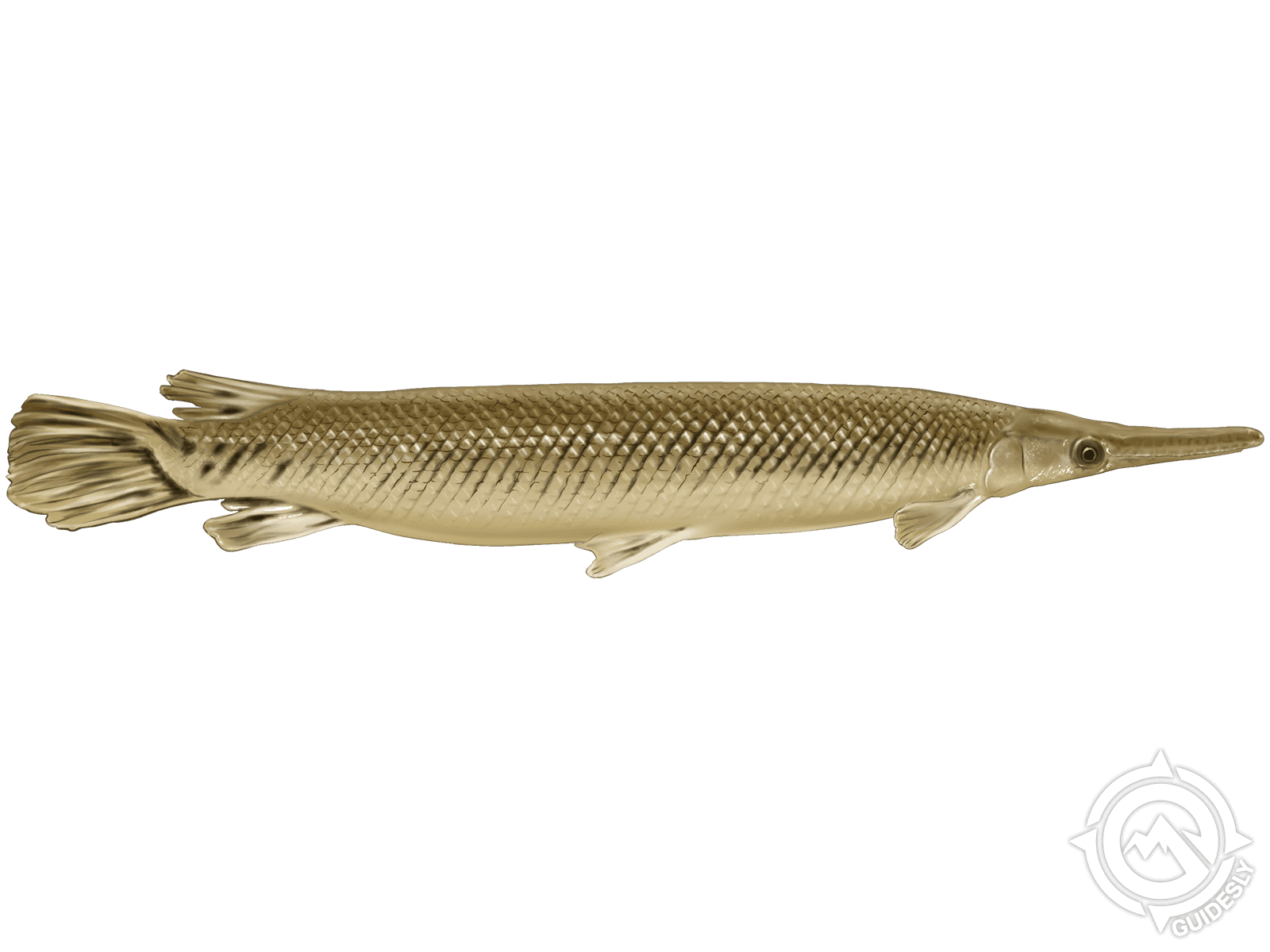
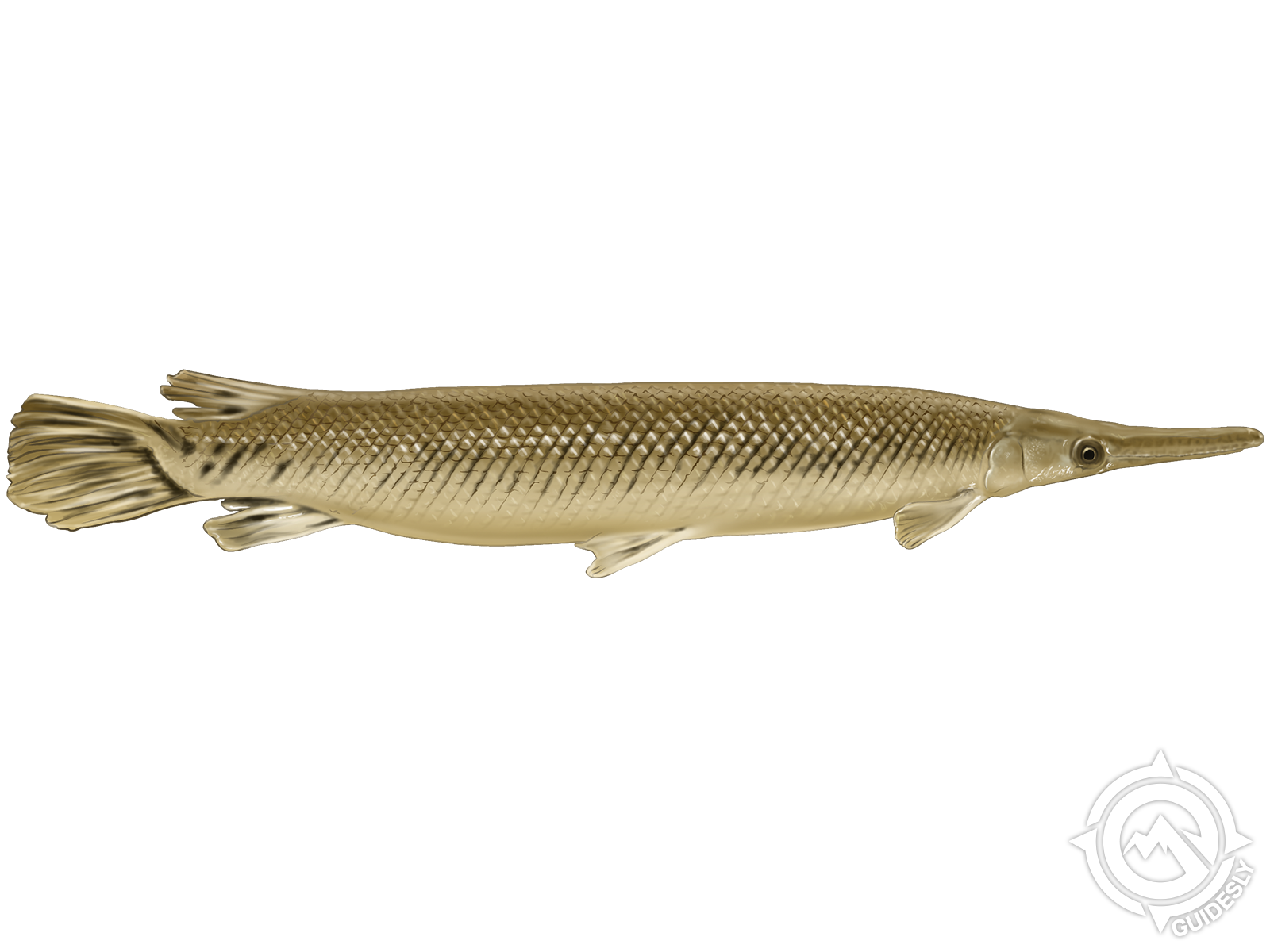 Alligator Gar
 Common Carp
 Freshwater Drum
 Longnose Gar
- Target gar, carp, and freshwater drum species
- Captain Cameron offers 10 years of local river expertise
- Flexible departure times for morning, evening, or night trips
Trip Pricing and Availabilities:
Put an Arrow on Oklahoma's Wild Side
When you think fishing in Oklahoma, you probably picture casting a line and waiting for a bite. But Captain Cameron's bowfishing trips flip that whole experience on its head. Instead of hoping fish will come to you, you're actively hunting them through the water with bow and arrow. It's a completely different game that keeps you engaged every second you're on the river. With 10 years of local knowledge under his belt, Cameron knows exactly where to find the best action around Tulsa's waters, whether you're a first-timer curious about bowfishing or someone who's already hooked on the challenge.
What to Expect on the Water
This isn't your typical sit-and-wait fishing trip. You'll meet Cameron at 2410 S 131st E Ave in Tulsa before heading out to prime bowfishing spots along Oklahoma's rivers. The beauty of this setup is the flexibility – morning trips let you enjoy cooler temperatures and active fish, evening sessions offer great visibility as shadows lengthen, and nighttime adventures bring out different species altogether. You're looking at $400 for up to 4 people, making it a solid deal for groups wanting to try something new. Just remember to grab your Oklahoma fishing license beforehand – it's required for bowfishing just like regular angling. The whole experience keeps you moving, scanning the water, and staying ready to draw when you spot your target.
Bow Techniques & River Setup
Bowfishing combines archery skills with fish behavior knowledge, and Cameron's got both dialed in. You'll be using specialized bows designed for water work – they're built to handle the refraction that makes fish appear in different spots than where they actually are. The arrows are heavier than what you'd use for deer hunting, with barbed points and retrieval lines attached. Cameron will walk you through the sight picture adjustments needed for shooting into water, plus how to lead moving targets. The rivers around Tulsa offer excellent visibility most of the year, especially in the shallower areas where gar and carp like to cruise. You'll learn to read the water, spot fish from a distance, and position yourself for clean shots. It's way more active than traditional fishing – you're constantly moving, looking, and getting into position for the next opportunity.
Target Species You'll Hunt
Alligator Gar: These prehistoric-looking giants are the crown jewel of Oklahoma bowfishing. Alligator gar can stretch over 6 feet and pack serious weight, making them both challenging to spot and exciting to arrow. They prefer deeper pools and move slowly, which gives you time to set up your shot if you can find them. Spring through fall offers the best action as they become more active in warmer water. Landing one of these ancient fish is like connecting with something that's been swimming these rivers since dinosaurs roamed the earth.
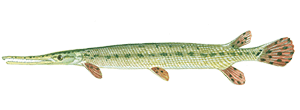
Longnose Gar: More common than their alligator cousins, longnose gar are perfect for building confidence with your bow skills. They typically run 2-4 feet long and have a habit of cruising near the surface, especially in late afternoon and evening hours. Their narrow profile makes shot placement crucial – you want to hit them in the thick part behind the head. These fish are abundant in Oklahoma waters and provide consistent action when the bigger species aren't showing themselves.
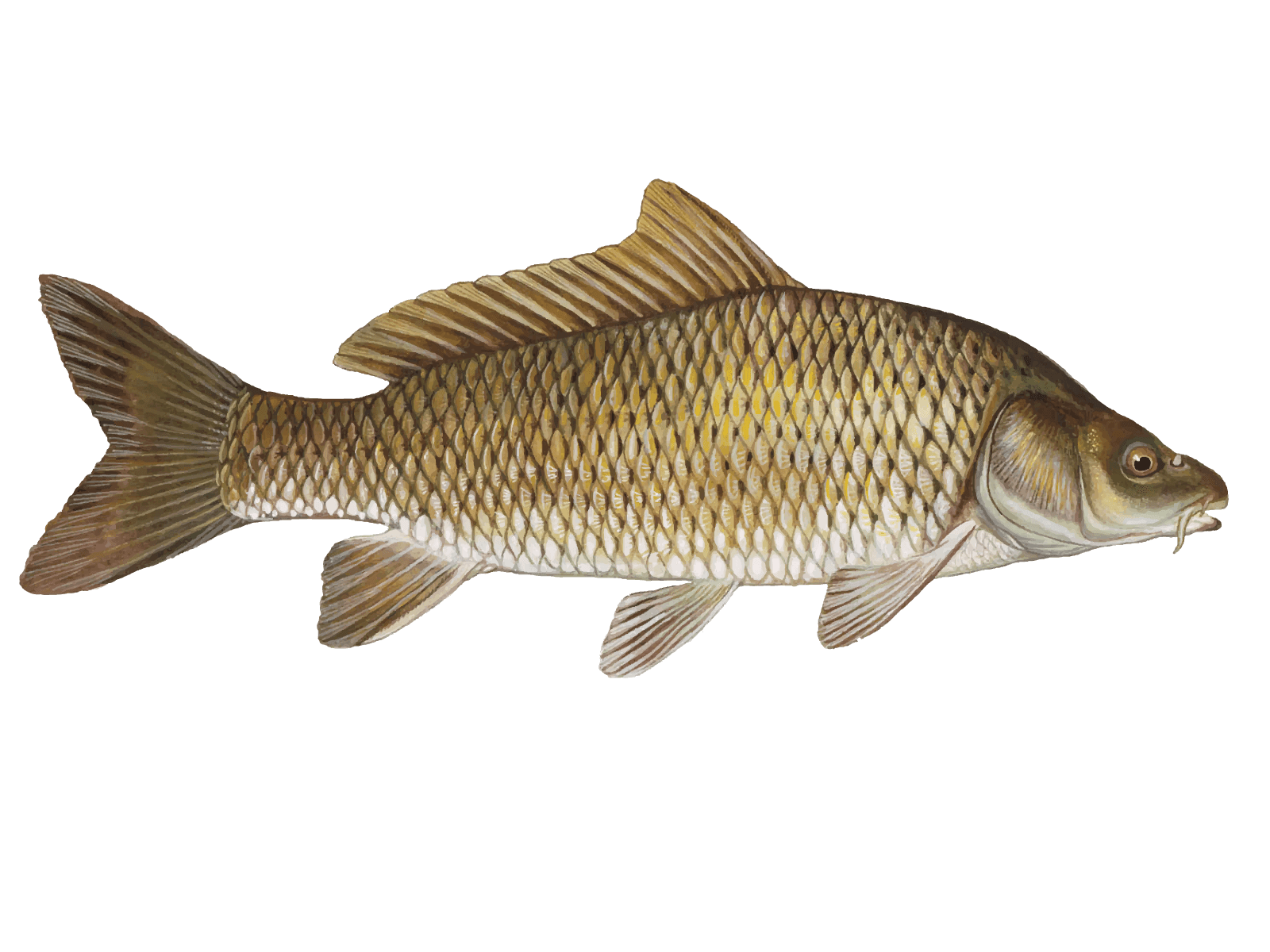
Common Carp: Don't let anyone tell you carp are boring – they're smart, strong, and surprisingly challenging to arrow. These fish can top 20 pounds in Oklahoma rivers and they're incredibly wary of movement and shadows. Early morning and late evening find them in shallower water where they're easier to spot. Carp will test your patience and your shooting skills, but when you connect with a big one, you'll understand why bowfishers respect them. They fight hard and make you work for every fish.
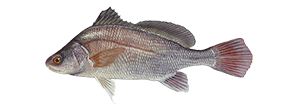
Freshwater Drum: Also called sheepshead, these fish are underrated targets that put up a solid fight. Drum typically weigh 2-8 pounds and school up in certain areas, so finding one often means finding several. They're most active during warmer months and prefer areas with current and structure. What makes drum special is their willingness to feed in daylight hours and their habit of staying in predictable spots once you locate them. They're excellent practice fish that help you dial in your shooting before targeting the bigger species.
Time to Book Your Spot
Captain Cameron's bowfishing trips offer something totally different from the usual Oklahoma fishing scene. You get hands-on action from the moment you step on the water, expert local knowledge that comes from a decade of reading these rivers, and the flexibility to fish morning, evening, or night depending on what works for your schedule. At $400 for up to 4 guests, it's a unique way to experience Oklahoma's waters while learning skills that will change how you think about fishing. Whether you're looking to try something new or you're already sold on the bowfishing lifestyle, this trip delivers the goods. Don't forget that Oklahoma fishing license – then get ready to trade your rod and reel for something with a little more punch.
Learn more about the animals
Alligator Gar
These prehistoric monsters are the ultimate bowfishing trophy, reaching 4-6 feet and 100+ pounds in our Oklahoma waters. With razor-sharp teeth and armor-like scales, they look exactly like their alligator namesake. You'll spot them in deeper river bends near shallow pools, especially during late summer heat when they surface to breathe air. They're ambush predators that can snatch birds right off the water surface. What guests love is the pure adrenaline rush - these ancient fish put up a serious fight and make for amazing photos. Best hunting happens during hot, dry spells when they're most active. My go-to tip: watch for their telltale roll near fallen timber in 6-8 feet of water. When you see that distinctive long snout break the surface, you've found your target.
Common Carp
These golden-brown bruisers average 15-30 inches and pack serious muscle, making them perfect for an action-packed bowfishing trip. You'll find schools of them in the shallows during spring and fall, feeding aggressively before they scatter to deeper water in summer. They're bottom feeders with whisker-like barbels, constantly stirring up mud as they root around for food. What guests love is their fighting spirit - carp don't give up easy and will test your gear. They thrive in our slower river sections and backwaters, especially around vegetation and structure. During hot summer days, target them early morning or late evening when they cruise closer to the surface. Local trick: look for muddy water and bubbles - that's carp feeding below, and they'll surface soon for your shot.
Freshwater Drum
These silver-scaled fighters average 10-14 inches and 1-8 pounds, but they're one of the most abundant fish in our waters. You'll find them cruising the bottom in shallow, clear areas with some vegetation. They get their nickname "thunder pumper" from the grunting noise males make during spring spawning. What makes them great for bowfishing is how they school up and stay active most of the year, though summer brings peak numbers. They're bottom feeders constantly searching for snails and crayfish, so they move predictably along the river floor. Here's a local tip: look for their distinctive arched backs just under the surface in the early morning - they'll often cruise in groups of 5-10 fish, making for multiple shot opportunities.
Longnose Gar
These torpedo-shaped predators stretch 28-48 inches with needle-like snouts full of sharp teeth, making them a unique bowfishing target. You'll spot them in shallow backwaters and along vegetation lines where they ambush small fish. They're most active at night and during low-light periods, often floating just below the surface like floating logs. What makes them special is their prehistoric look and surprising fight - they'll thrash and roll when arrowed. Spring through early fall gives you the best shots when they're actively hunting in 2-6 feet of water. These ancient fish can actually breathe air, so they surface regularly. Pro tip: they're masters of camouflage, so watch for their olive-green backs near fallen timber and weed edges. Move slow and quiet - they spook easily but return to the same spots.
About the Tracker 21'
%2F%2Fusers%2F5247b7d2-95f1-4f73-aeae-8513d6711845%2Fvehicle_picture%2Fboat-mspdej7x.png&w=1920&q=75)
Vehicle Guest Capacity: 8
Manufacturer Name: Mercury
Maximum Cruising Speed: 40
Number of Engines: 1
Horsepower per Engine: 150